
About Me
*
About Me *
Hi, I’m Sadie—a Board Certified Behavior Analyst, author, caregiver, and advocate for Quality of Life-focused care.
My path into this work was shaped by a desire to help people feel seen, understood, and supported. Over time, that became something much deeper through the relationships that changed how I understand communication, connection, and care.
One of those relationships was with Ethan, a child who had a lasting impact on my life and my work. For three years, I had the privilege of working closely with him. He shifted how I understand behavior—from something to change, to something to listen to. After his passing in 2022, I began writing as a way to process that experience. That writing became E Man, and continues to connect me with families walking similar paths.
Through that work, I met another family whose son, Miles, also lives with Phelan-McDermid Syndrome. I became part of his life as a caregiver, and that relationship further deepened my understanding of what daily life can look like for families navigating complex needs.
These experiences continue to shape how I show up in my work today.
As a BCBA, I take a quality-of-life focused approach to behavior support. I look at what your day actually feels like—what’s manageable, what’s hard, and how support can fit into that in a way that feels more steady, more connected, and more sustainable over time.
Alongside my clinical work, I also write and illustrate children’s books. Storytelling has become another way I explore and share experiences that are often difficult to put into words, especially around communication, sensory differences, and connection.
Everything I do is grounded in understanding and shaped by the individuals and families who have trusted me to see their world more closely.
I’m really glad you’re here.

My Approach
My work is grounded in a quality-of-life focused approach to behavior support.
As a Board Certified Behavior Analyst, I use evidence-based practices to understand behavior within the context of everyday life—routines, environment, relationships, and available support.
Data can be helpful, but it’s never the whole picture.
What matters most is how things actually feel and function in your day.
I prioritize dignity, autonomy, and collaboration, recognizing that meaningful support has to be flexible and responsive to the individual and the family.
Progress isn’t defined by compliance or trying to make someone fit a standard.
It’s defined by increased comfort, communication, participation, and access in a way that feels sustainable over time.
This work goes beyond diagnosis.
While labels can help guide access to services, they don’t define a person’s identity, experience, or potential.
Support starts with curiosity, respect, and a willingness to understand the full picture—then building something that truly fits.
Neurodiversity Clarification
This perspective is at the center of my work.
I approach behavior support through a neurodiversity-affirming lens, focusing on understanding each individual and what supports their comfort, communication, and participation in daily life.
The goal is not to change who someone is, but to reduce barriers and create more access—so they can engage with the world in a way that feels safe, supported, and meaningful to them.
Support focuses on building communication, increasing autonomy, and supporting safety, while respecting each person’s natural ways of thinking, moving, and interacting.
Everything is grounded in quality of life—what helps the day feel more manageable, more connected, and more supportive overall.
Fit & Ethics
Ethical alignment and mutual respect are essential to my work. In accordance with the BACB Ethics Code, I practice within my scope of competence (Code 1.05), prioritize client welfare (Code 2.01), and engage in honest, transparent communication regarding services and expectations (Code 1.04).
I recognize that I may not be the right fit for every individual or situation. When this is the case, I believe ethical practice includes timely transparency and appropriate referrals to ensure continuity of care and client well-being (Code 2.05, Code 3.01). My goal is always to support decision-making that is clinically sound, respectful, and in the best interest of those receiving services.
Ethical practice is grounded in the Behavior Analyst Certification Board® Ethics Code for Behavior Analysts, which guides scope of practice, client welfare, and professional responsibility.
Sadie with books Miles’ Eyes and E Man 2026


Sadie with her book Frankie’s World of Inclusion


Sadie and Book E Man
Sadie holding a picture of Ethan at Curry College graduation
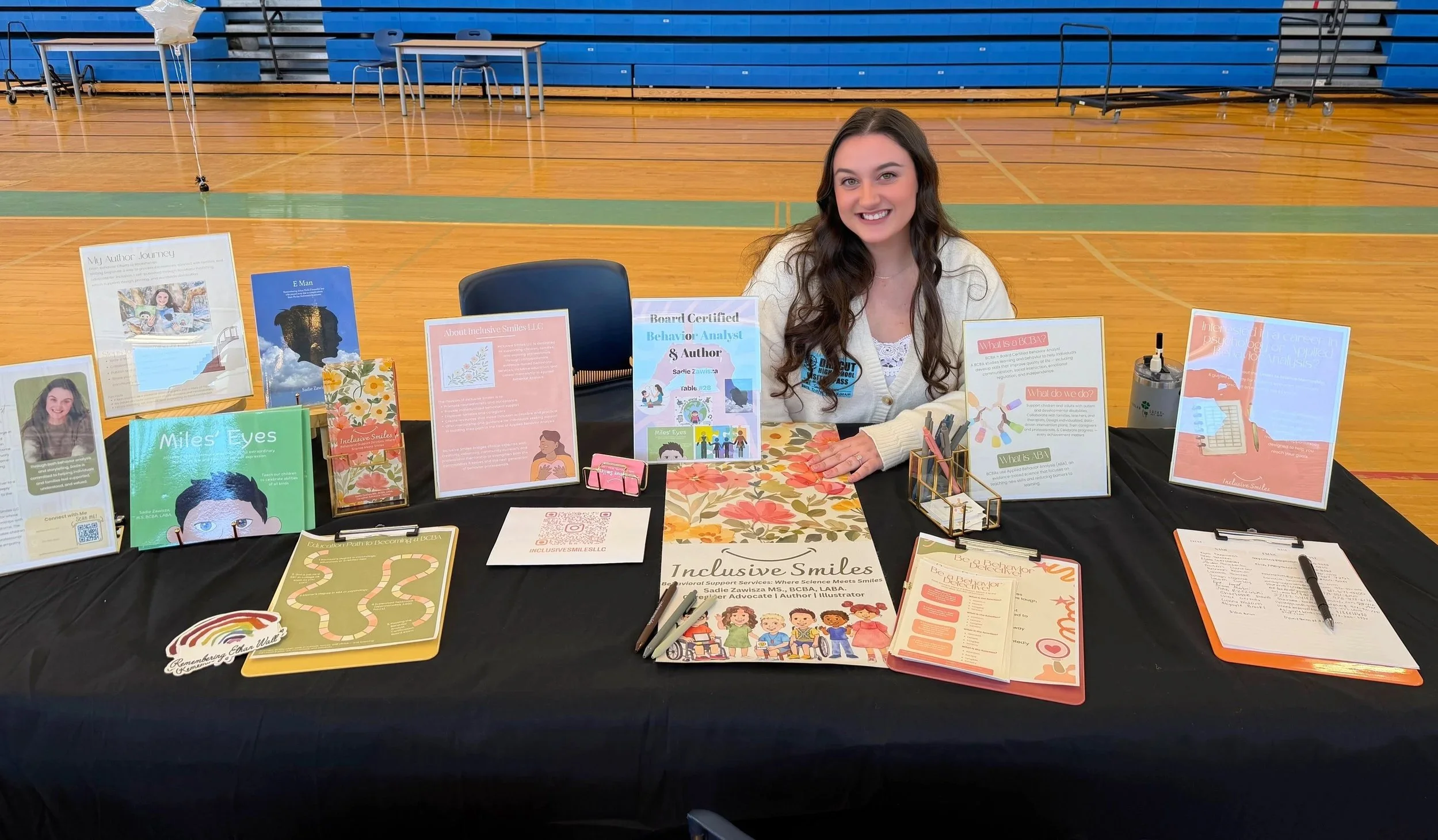
Sadie at the Dracut Highschool Career Fair 2026
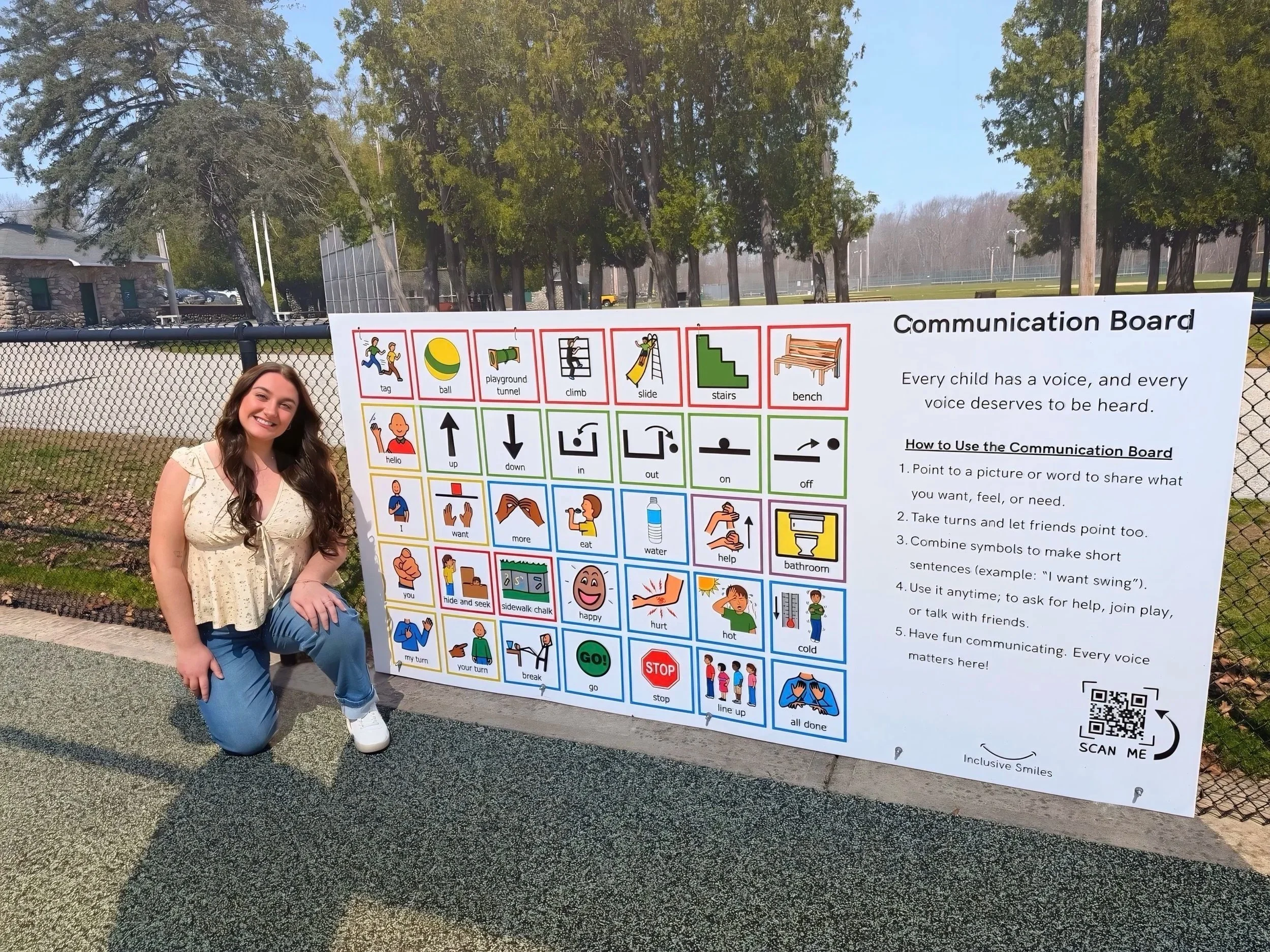
Sadie with the Communication Board she supported in Mansfield, MA 2026
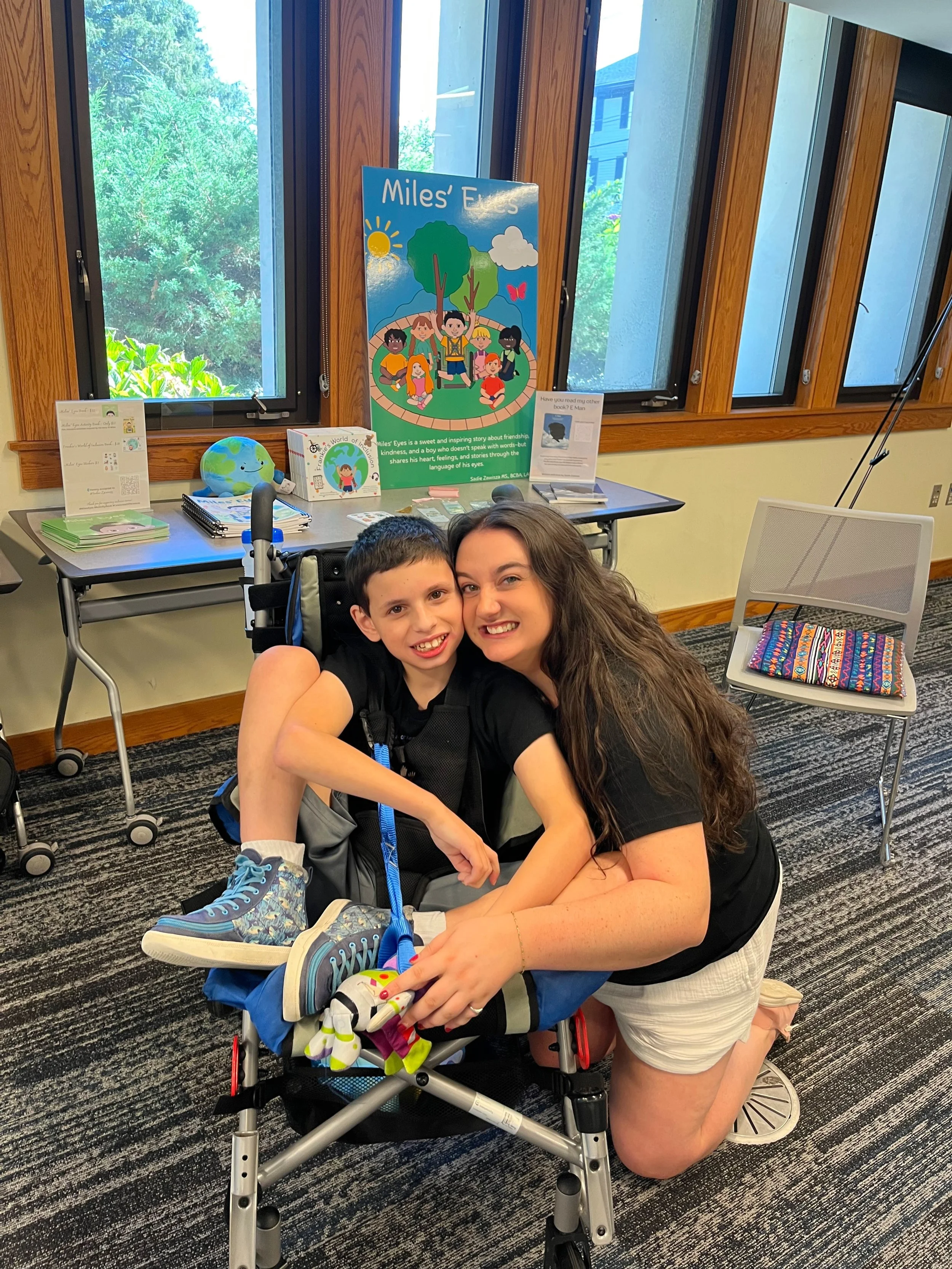
Sadie and Miles at Book Event for Miles’ Eyes

Sadie and Miles- Masters in ABA
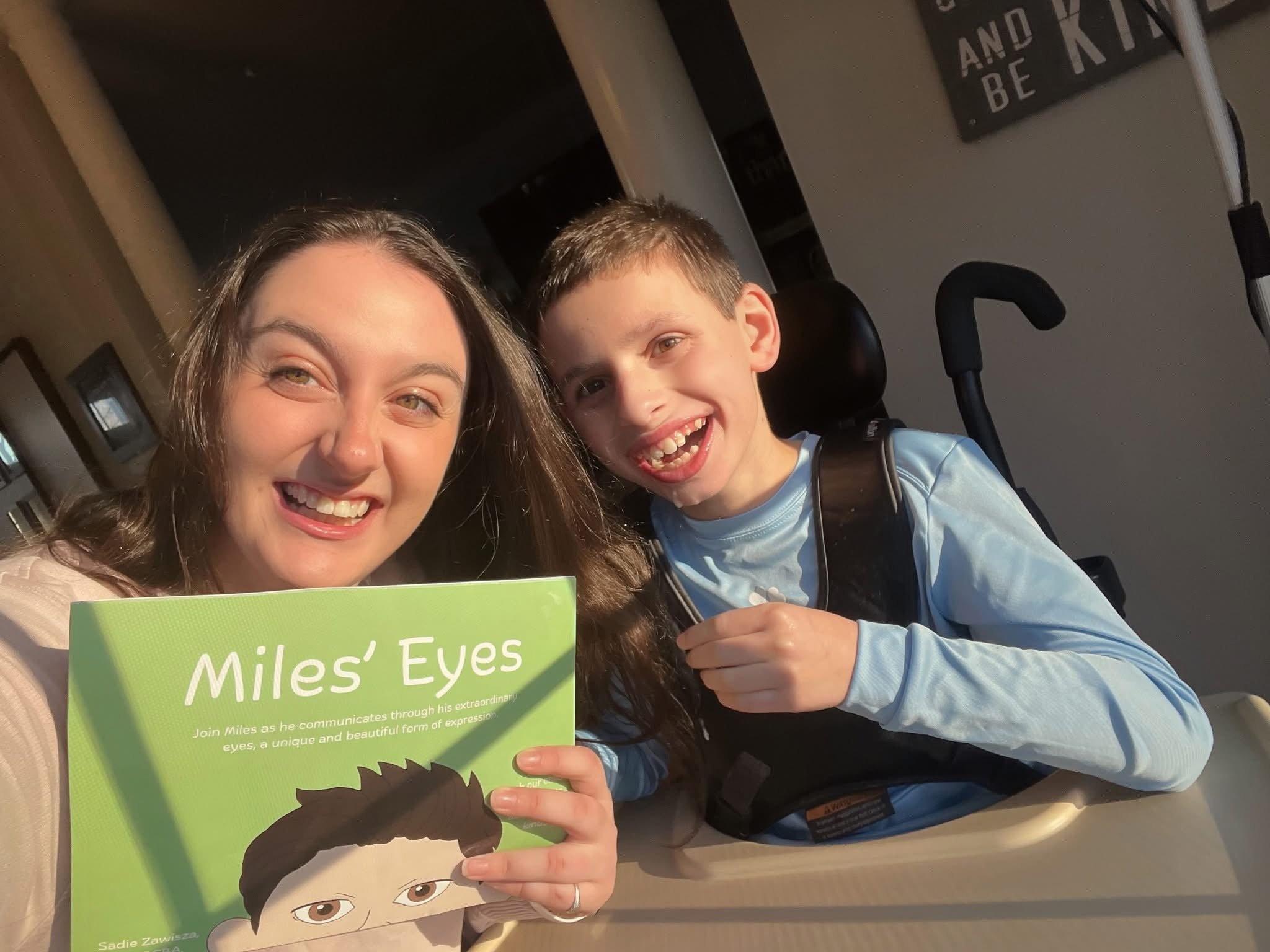
Sadie and Miles with Book Miles’ Eyes
Contact Me
Looking for thoughtful, ethical, and evidence-based behavior consultation? We invite you to reach out. Together, we can talk through your concerns, explore whether our consultation services are a good fit, and identify supportive next steps grounded in understanding and collaboration.
Whether you are a parent or caregiver seeking guidance, a professional looking to consult or collaborate, or someone interested in learning more about our approach to behavior support, you are welcome here.
Have questions about behavior consultation or ABA-informed support? Interested in professional collaboration, education, or events? Want to connect or learn more about working together? Use the form below or email us directly, and we will be in touch as soon as possible.
Because meaningful support begins with connection.